
"coffee bean evolution"
900 article(s) found

Introduction to the flavor and taste of Santa Cruz Manor of Ecuadorian Coffee
The coffee beans produced in Ecuador's Galapagos Islands are organic coffee beans, thanks to the unique ecological environment such as volcanic soil and microclimate, coupled with the fact that they do not use any chemical fertilizers or pesticides, they are recognized as natural green boutique coffee. this naturally grown coffee has a mild taste with a hint of flowers and fruit and caramel. It is understood that the Galapagos Islands are far from Eritrea.

Ecuadorian Coffee from San Cristobal
Alpine beans join roses so stunning 2014 Ecuador Coffee Competition champion Mr. Veniso told reporters that some of the Ecuadorian coffee is espresso made from Ecuadorian mountain coffee beans. This kind of coffee comes from a mountain area about 1000 to 2000 meters above sea level. The taste is mellow, with aromas and sweetness of fruit, grass and chocolate; some are based on this espresso.

Ecuadorian coffee with light floral and caramel aromas Introduction Fine coffee
The coffee beans produced on the Galapagos Islands in Ecuador are organic coffee beans, which benefit from the unique ecological environment such as volcanic soil and microclimate. In addition, they do not use any fertilizers and pesticides. They are recognized as natural green fine coffee. This naturally grown coffee tastes mild and has a light fragrance of flowers and caramel. It is understood that the Galapagos Islands are far from

How about Ethiopian coffee? Ethiopian rambutan coffee flavor
Professional coffee knowledge exchange More coffee bean information Please pay attention to coffee workshop (Weixin Official Accounts cafe_style) Flavor description Dry fragrance is osmanthus, sugar-fried chestnut, strawberry aroma, sip is raspberry, jasmine, mangosteen, honeydew melon and other tropical fruit aroma. Production area information Ethiopia Guji production area 1800 meters ~ 2100 meters Bean information 2019 production season Sunlight original species Although
The Cultural basis of Coffee the Origin of the name COFFEE
The word Coffee means friendly in Arab countries. According to the legend, there are many sources of coffee names, and there are two more credible ones: the evolution of the phonetic era: Coffee is English, French is Cafe, Italian Caffe, Dutch Koffie, German Kaffee. The pronunciation comes from the Arabic word Qahwah, which means plant drink, and the Turkish word for kahveh.

The taste and flavor of Ecuadorian coffee
Following caf é (Wechat official account vdailycom) found that Beautiful Caf é opened a small shop of its own, Ecuador's coffee producing area: the best Arabica coffee is produced in the Andes, especially in the ChanchamgoValley valley, the Andes is divided into two series of mountains, extending from south to north to central Ecuador. Ecuadorian coffee beans can be divided into Galapagos (G

Marketing observation on the Operation of Coffee Shop
The evolution of coffee into a culture will either become a fashion or a classic, whichever will keep the pockets of coffee operators bulging. The news I have just read is a special article in the Financial Times about the ongoing reorientation of Nestl é by Nestl é CEO Peter Brabeck. The core business figure who has been in office for nine years is in office.

Ecuadorian coffee with mild taste and a hint of flowers and fruits introduces fine coffee.
The coffee beans produced in Ecuador's Galapagos Islands are organic coffee beans, thanks to the unique ecological environment such as volcanic soil and microclimate, coupled with the fact that they do not use any chemical fertilizers or pesticides, they are recognized as natural green boutique coffee. this naturally grown coffee has a mild taste with a hint of flowers and fruit and caramel. It is understood that the Galapagos Islands are far from Eritrea.

Djimmah is medium in texture and rugged with earthy Ethiopian boutique coffee beans.
The coffee-producing region of Ethiopia is divided into east and west parts by the East African Rift Valley, with lakes, volcanoes, lowlands, plateaus and woodlands interlaced, each evolving. Ethiopia has the most diverse coffee ecosystem in the world (forest coffee, semi-forest coffee, pastoral coffee and plantation coffee), which also preserves its rich Arabica genes. The eastern half is mostly plateaus, coffee beans.

Full-bodied Ecuadorian coffee with aromas of fruit, grass and chocolate
The coffee beans produced in Ecuador's Galapagos Islands are organic coffee beans, thanks to the unique ecological environment such as volcanic soil and microclimate, coupled with the fact that they do not use any chemical fertilizers or pesticides, they are recognized as natural green boutique coffee. this naturally grown coffee has a mild taste with a hint of flowers and fruit and caramel. It is understood that the Galapagos Islands are far from Eritrea.
Ecuador's Galapagos Islands with a mild taste and a hint of flowers, fruit and caramel
The coffee beans produced in Ecuador's Galapagos Islands are organic coffee beans, thanks to the unique ecological environment such as volcanic soil and microclimate, coupled with the fact that they do not use any chemical fertilizers or pesticides, they are recognized as natural green boutique coffee. this naturally grown coffee has a mild taste with a hint of flowers and fruit and caramel. It is understood that the Galapagos Islands are far from Eritrea.

Introduction to the characteristics of high-quality coffee beans Ecuador coffee beans taste flavor manor area
Mr. Veniso, winner of the 2014 Ecuador Coffee Competition, told reporters that some of the Ecuadorian coffee is espresso made from Ecuadorian alpine coffee beans. This coffee comes from a mountain area about 1000 to 2000 meters above sea level and has a mellow taste with aromas and sweetness of fruit, grass and chocolate. Some add thin coffee from the Amazon region to this espresso.
A variety of coffee more precious than the Blue Mountains
Introduce several coffee varieties that are more precious than Blue Mountain Coffee:
A precious variety of coffee
Coffee name: Napoleon Origin: British St. Helena (Saint Helena Island, the claustrophobic island where the hero Napoleon was exiled) Farm: Napoleon Farm Variety: Bourbon Coffee name: blue Elise (Elise Blue) Origin: French New Caledonia (New Caledonia Island) Farm: Caf Kua
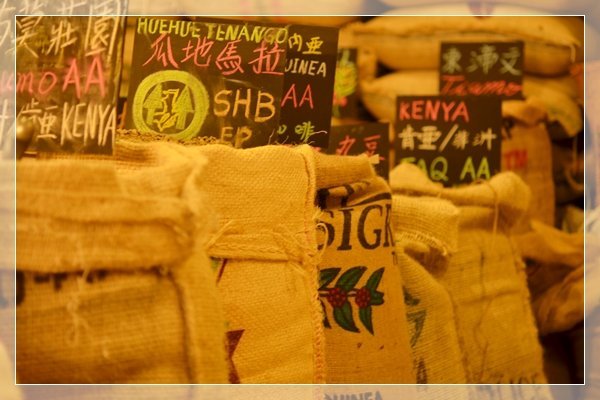
Ethiopia-Ghimbi, Sidamo, Harar and Yegashefi
Ethiopia's coffee-producing areas are divided into east and west parts by the Great Rift Valley. Lakes, volcanoes, lowlands, plateaus and woodlands alternate and evolve independently. Ethiopia has the most diverse coffee ecosystem in the world (forest coffee, semi-forest coffee, pastoral coffee and plantation coffee), which also allows it to preserve its rich Arabica genes. The eastern half is mostly plateau, coffee beans

One of the four famous beans in the Caribbean | introduction to the flavor characteristics of sea tortoise beans washed in Ecuador
Origin: Ecuador Galapagos Islands altitude: 1700-2000 m soil: volcanic soil varieties: iron pickup treatment: washing grade: SP1 flavor: melon pleasant and clear sweet fruit, soft spice aroma, balanced and delicate, dense creamy feeling. The producing area is more than 900 kilometers off the coastline of Ecuador, which is famous for its host country in South America, longitude 90 degrees west of the equator.

Ecuadorian Coffee Hassanda Coffee Park, known as the "Equatorial country"
Alpine beans join roses so stunning 2014 Ecuador Coffee Competition champion Mr. Veniso told reporters that some of the Ecuadorian coffee is espresso made from Ecuadorian mountain coffee beans. This kind of coffee comes from a mountain area about 1000 to 2000 meters above sea level. The taste is mellow, with aromas and sweetness of fruit, grass and chocolate; some are based on this espresso.

Machine beans, flowers and fruits, caramel fragrant Ecuadorian coffee producing area of San Cristobal
The coffee beans produced in Ecuador's Galapagos Islands are organic coffee beans, thanks to the unique ecological environment such as volcanic soil and microclimate, coupled with the fact that they do not use any chemical fertilizers or pesticides, they are recognized as natural green boutique coffee. this naturally grown coffee has a mild taste with a hint of flowers and fruit and caramel. It is understood that the Galapagos Islands are far from Eritrea.

Galapagos Islands Coffee producing area Flavor introduction to Galapagos Islands Santa Cruz Island
The coffee beans produced in Ecuador's Galapagos Islands are organic coffee beans, thanks to the unique ecological environment such as volcanic soil and microclimate, coupled with the fact that they do not use any chemical fertilizers or pesticides, they are recognized as natural green boutique coffee. this naturally grown coffee has a mild taste with a hint of flowers and fruit and caramel. It is understood that the Galapagos Islands are far from Eritrea.
The world's rare coffee
Coffee name: Napoleon Origin: British St. Helena (Saint Helena Island, the claustrophobic island where the hero Napoleon was exiled) Farm: Napoleon Farm Variety: Bourbon Coffee name: blue Elise (Elise Blue) Origin: French New Caledonia (New Caledonia Island) Farm: Caf Kua